Sensory toys and developmental support materials
This section gathers materials from the store that work on specific areas of child development. It is not a category of special toys: it is the same shop, organized by what each object asks of the child. It serves families of autistic and neurodivergent children, professionals who work with them, and anyone who wants to choose with more discernment.
Sensory integration
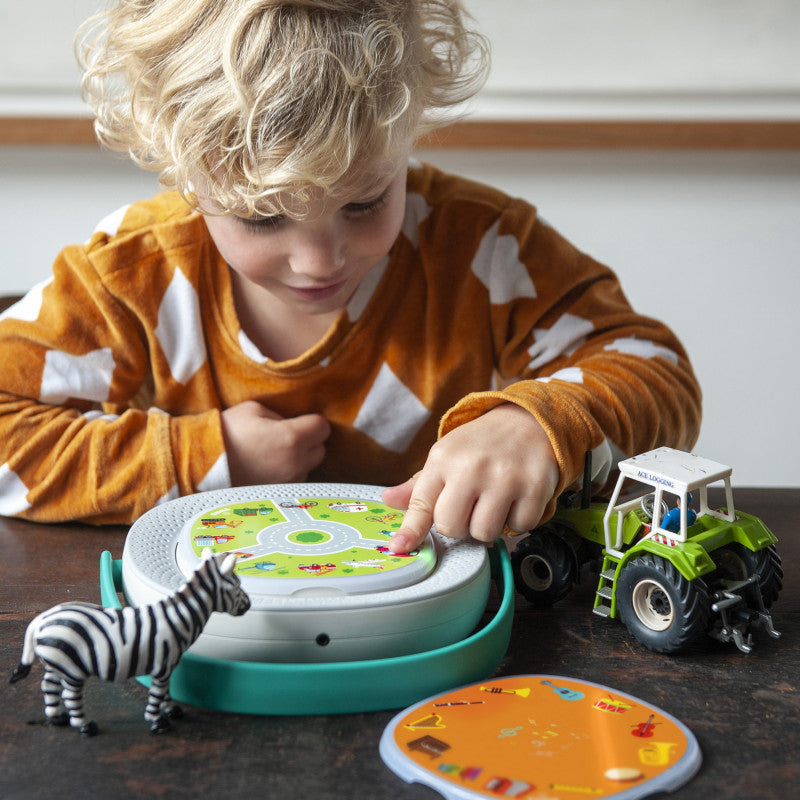
Materials that provide clear information to the body: textures, weight, pressure, movement, sound, and light. They help both children who seek a lot of sensory input and those who avoid it. This includes sensory balls and cushions, manipulation materials, puzzles with resistance, and play proposals that involve the whole body.
Fine motor skills and gross motor skills
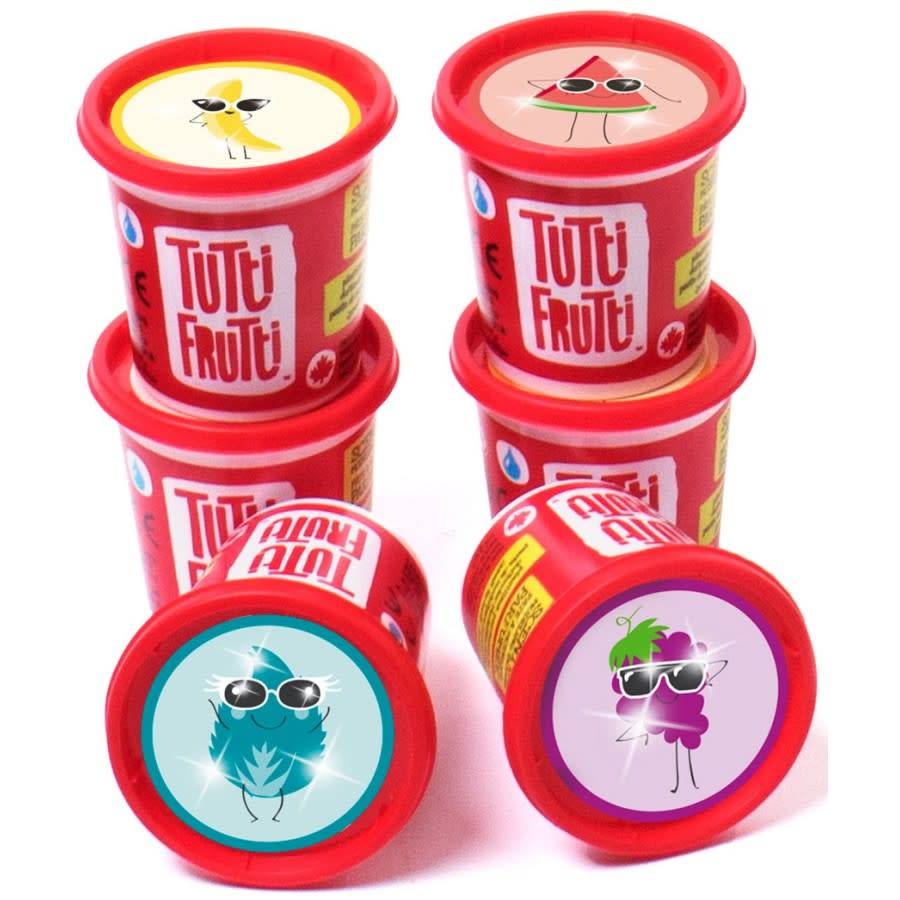
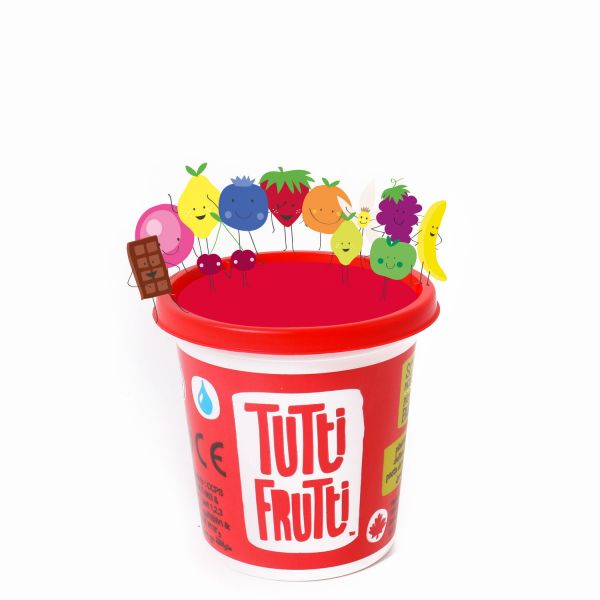
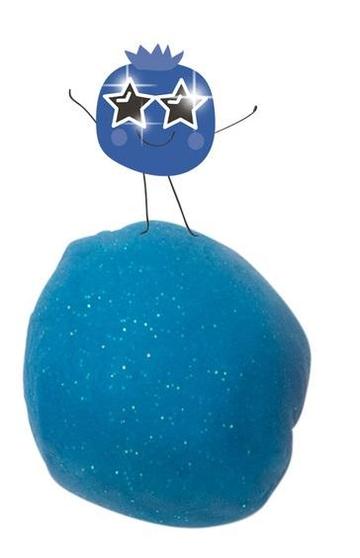
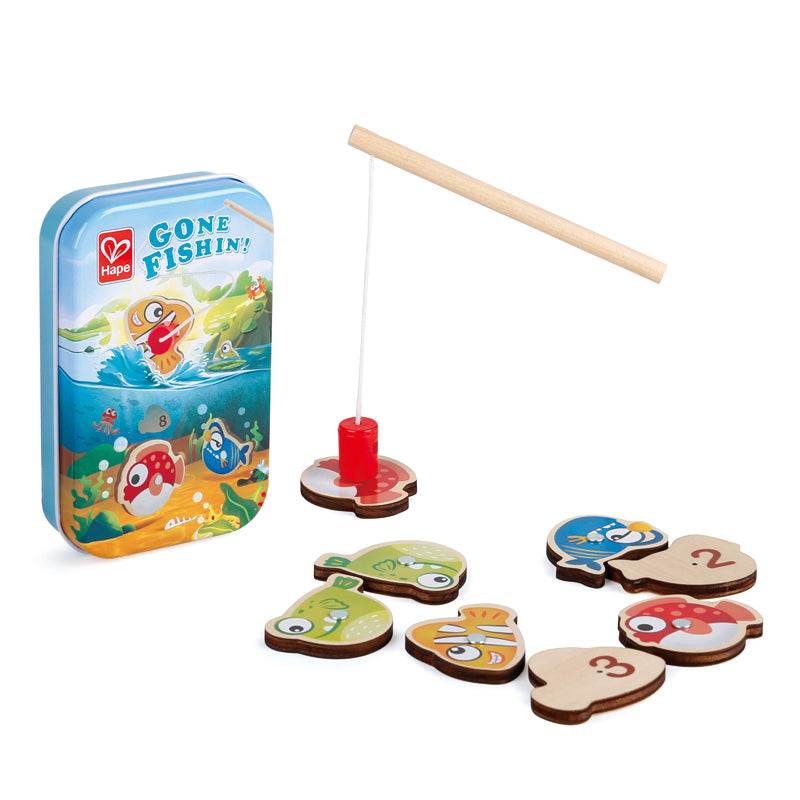
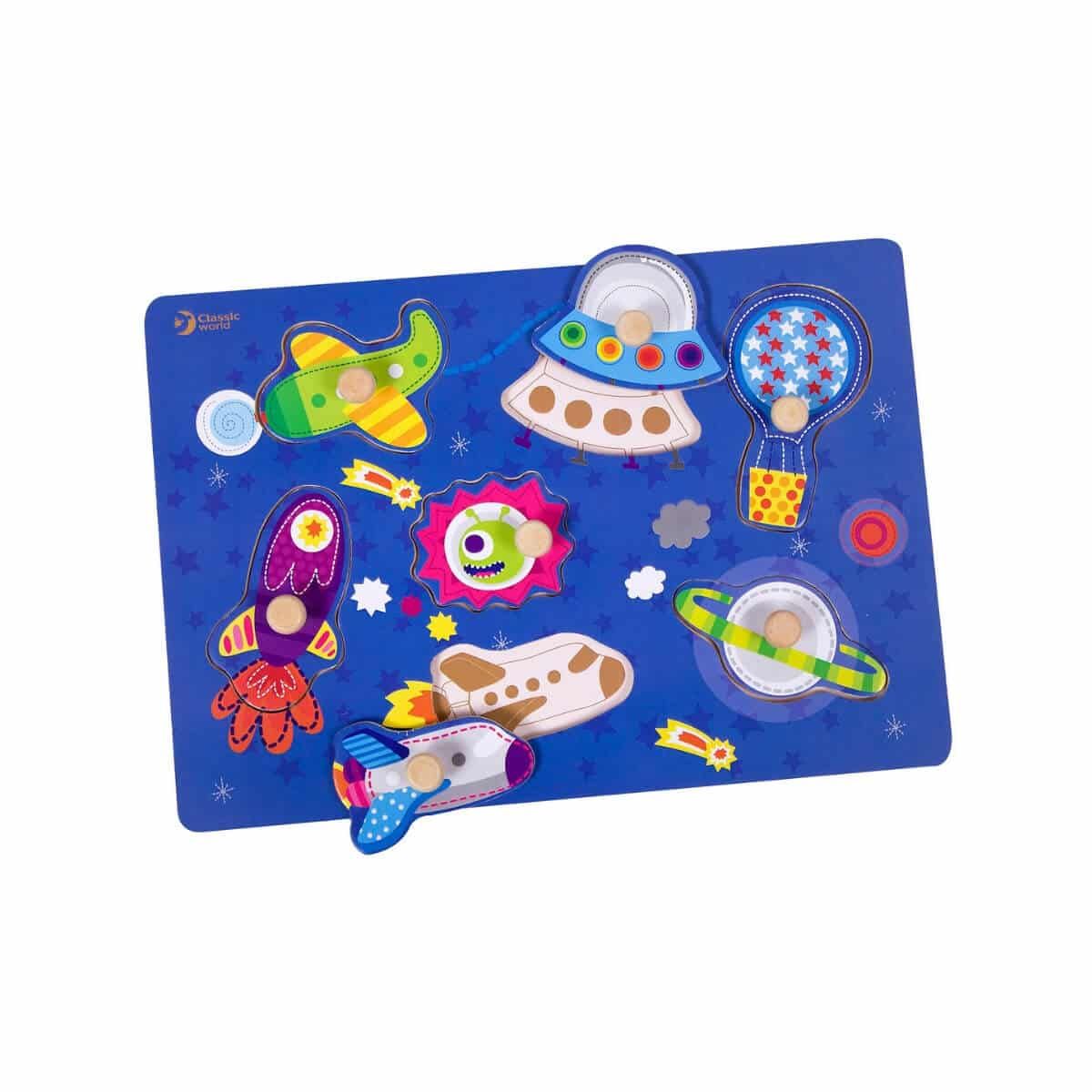
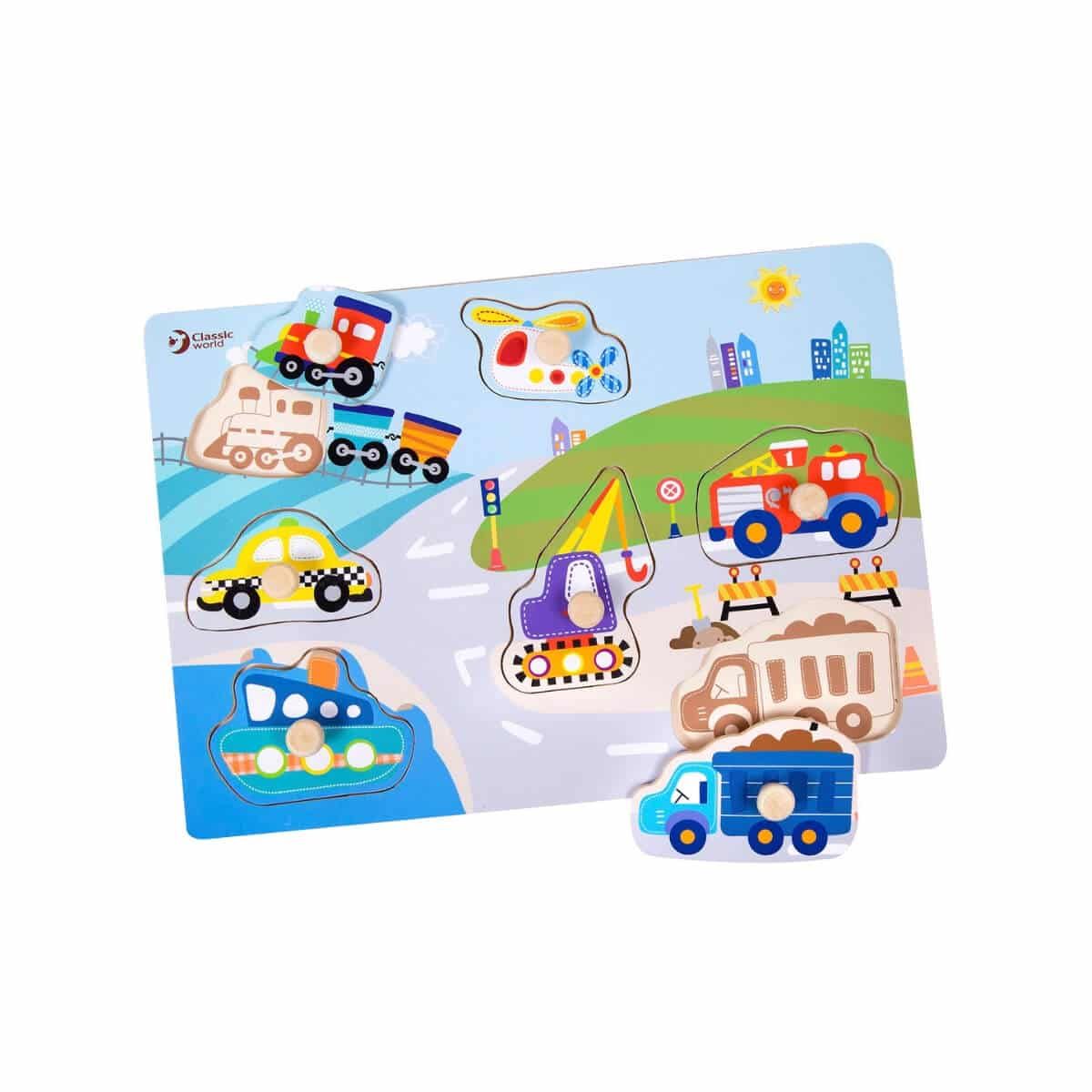
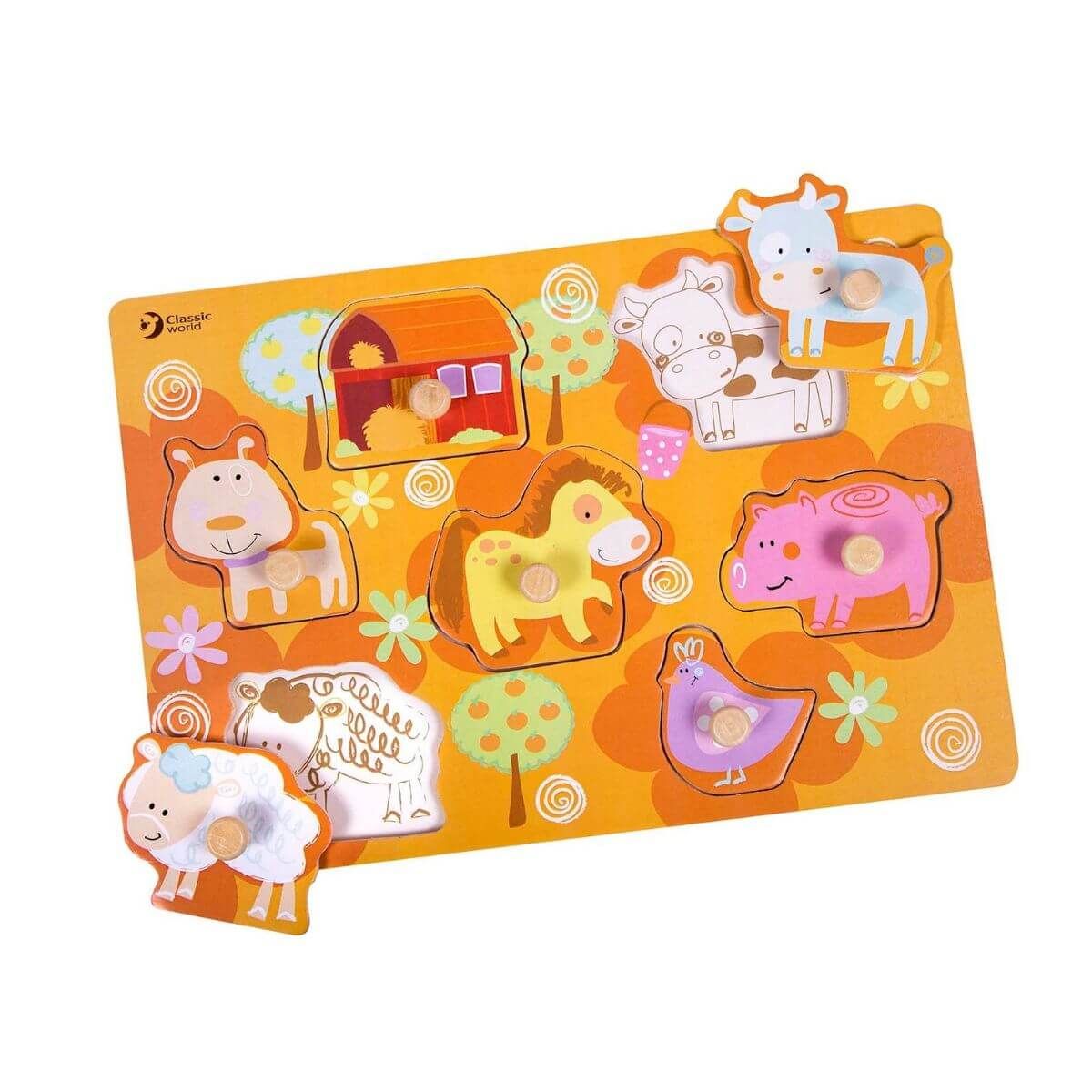
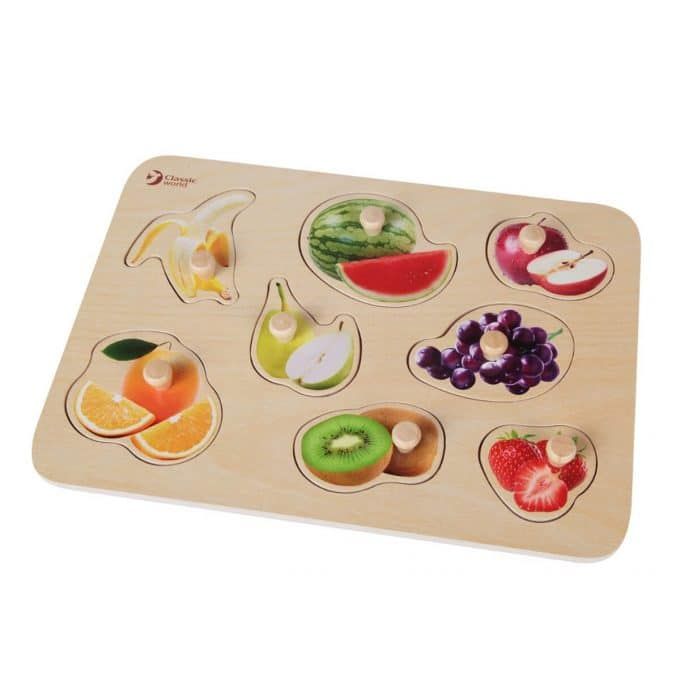
From the pincer grasp to standing balance. Threading, tweezers, fitting games, puzzles, modeling dough, and drawing materials work on the hand. Climbing structures, balance boards, and push toys work on the body. Both go together: the hand becomes more precise when the core is stable.
Communication and language
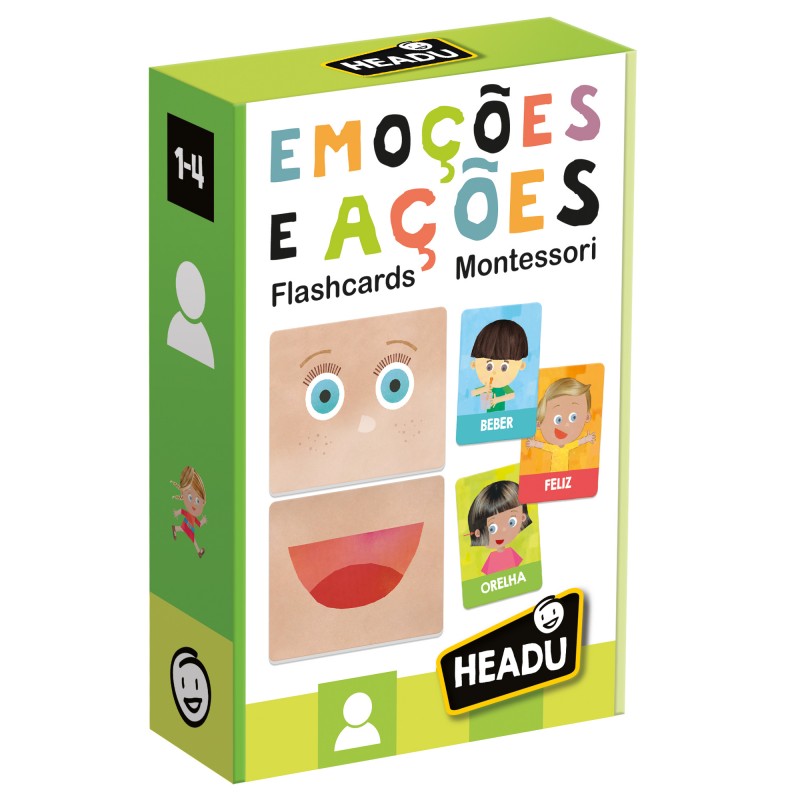
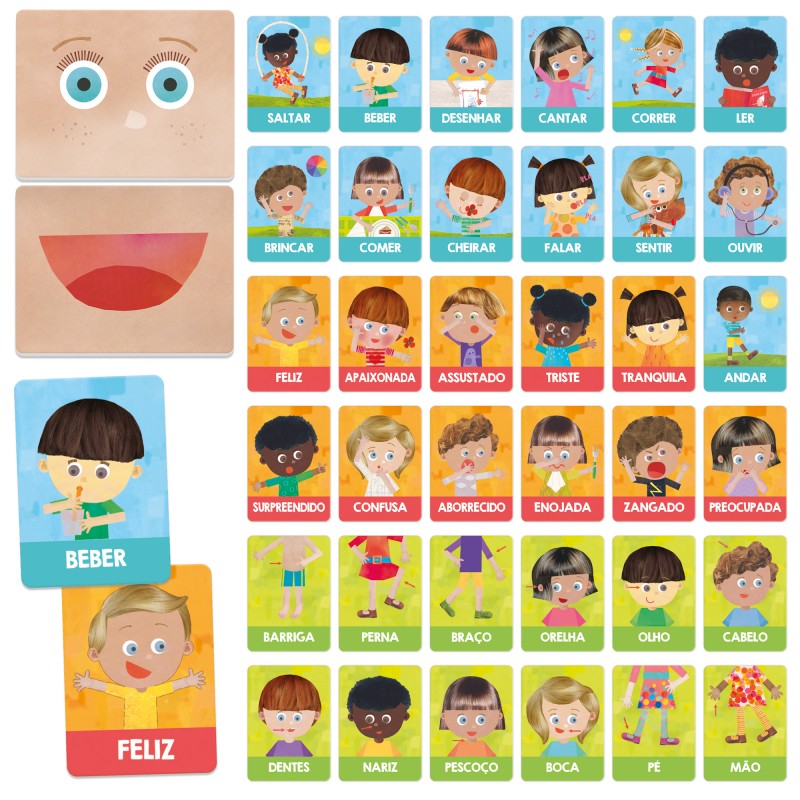
Books, images, turn-taking games, instruments, and materials that create a reason to communicate. Language grows when there is something the child wants to say and someone available to listen, with or without words.
Executive functions and symbolic play
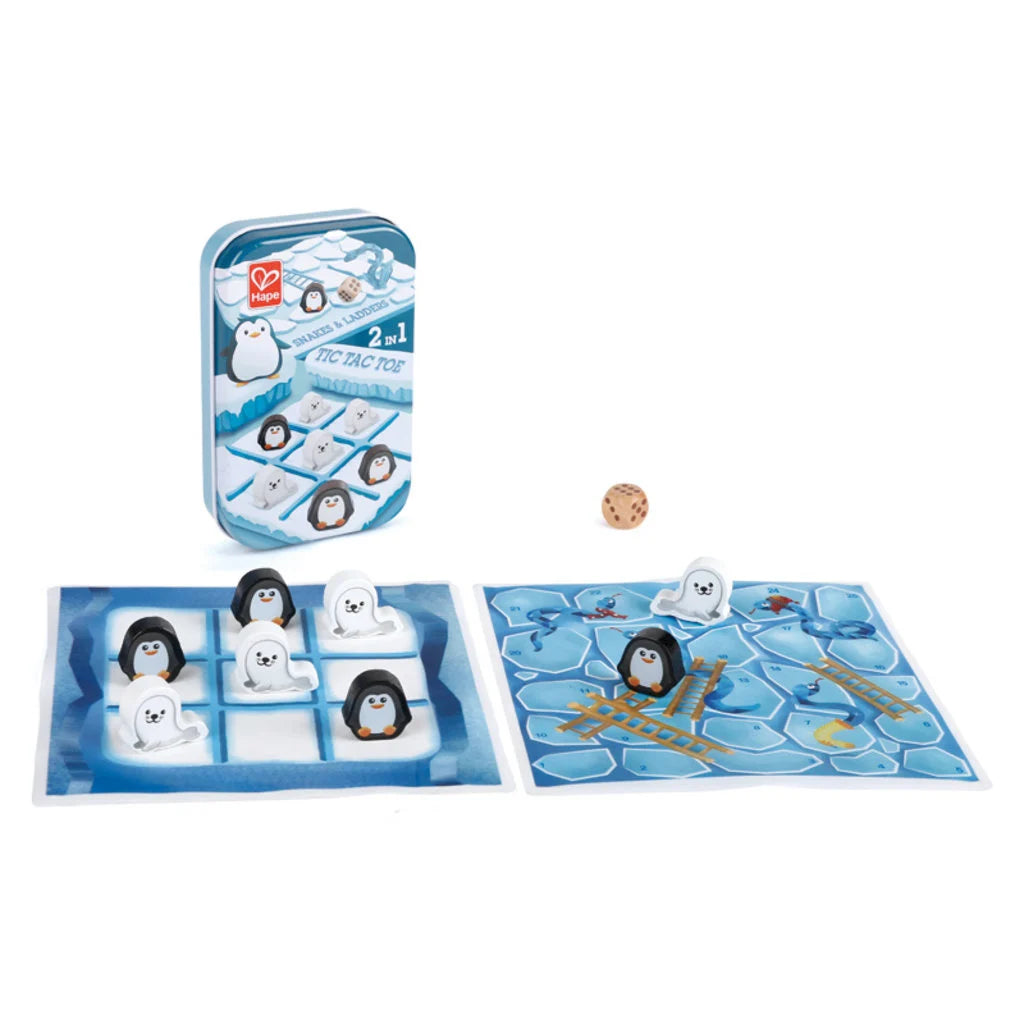
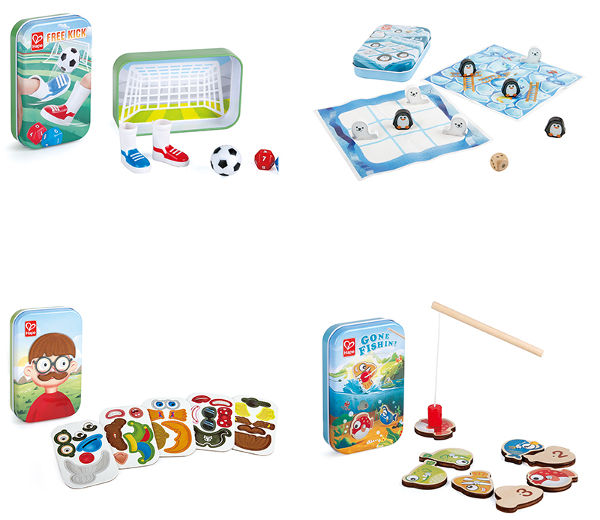
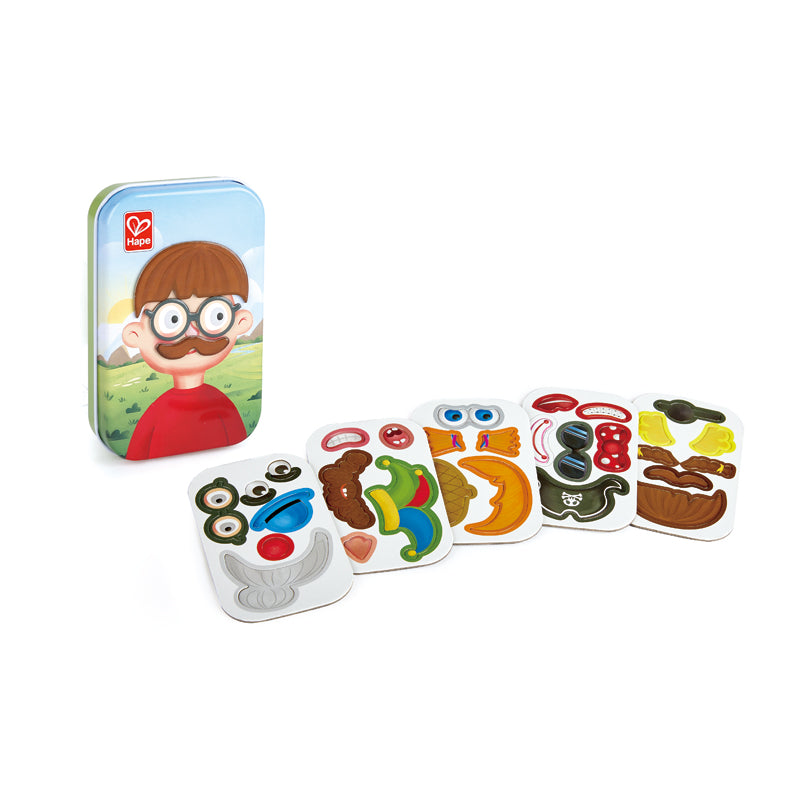
Planning, waiting, changing strategies, dealing with the frustration of a piece that doesn't fit. Rule-based games, sequences, construction, and pretend play are the natural training for these skills. Symbolic play, in particular, is where the child rehearses the world.
Regulation
Objects that help to raise or lower the activation level: deep pressure, repetitive movement, safe chews, materials for a calm corner. Regulation is not a state that is reached once and for all; it is something that is practiced, and the right material makes the practice easier.
How to choose
Start with the child and not the age on the box. Three questions help:
- What do they already do alone and with pleasure? Good material stays half a step ahead of that.
- What sense do they seek or avoid? Movement, pressure, sound, texture, light.
- How much support is needed? A toy that only works with an adult by their side is not worse; it is a different choice than one the child uses alone.
Frequently asked questions
Are these toys only for autistic children?
No. The section was born from conversations with families of autistic and neurodivergent children, but these are toys and materials that any child can use. The difference lies in how we describe them: we say what each one asks of the child.
What is the difference between a sensory toy and a therapeutic toy?
Therapeutic toy is a commercial term, not a clinical category. What exists is material that a therapist can use within an intervention plan. Outside of that plan, it is a toy. That is why we describe what each one does instead of promising results.
My daughter is five and the toy says three. Should I buy it?
The age on the packaging is mainly a safety indication, related to small parts. To choose the right level, look at what the child does today, not the number. If in doubt, write to us.
Do you provide personalized suggestions?
Yes. Tell us the age, what the child likes to do, and what you want to work on, and we will respond with concrete options. If there is a report or guidance from a therapist, even better.